Knee Care


Specialty Services

Request Appointment
DO YOU NEED KNEE PAIN TREATMENT IN THE ROCKY MOUNT AREA?
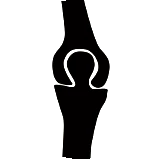
Your knee joint is made up of bone, cartilage, ligaments, and fluid. Muscles and tendons help your knee joint move. When any of these structures is hurt or diseased, you have knee problems that can cause pain and difficulty walking. You might experience pain in a particular location only, such as the inner or outer knee, or behind the knee.
Knee problems are very common, and anyone can have them. Mechanical knee problems are caused by a direct blow or sudden movement that strains the knee, or osteoarthritis, resulting from wear and tear on the parts. Inflammatory knee problems can result from certain rheumatic diseases, such as rheumatoid arthritis and systemic lupus erythematosus (lupus). These diseases cause swelling that can damage the knees permanently.
Knee Pain Conditions & Injuries We Treat:
MEET THE DOCTOR
Dr. Bernard Kemker is the Director of Joint Replacement at CRO. He specializes in Orthopedic Surgery and Adult Reconstruction. He attended Indiana University and did his residency at Michigan State University, completing his Adult Reconstruction Fellowship at Virginia Commonwealth University.
 Through Dr. Kemker’s training and fellowship, he has become focused on the treatment of advanced reconstruction problems, such as fracture repair, infections and wound care, and the failure of knee replacements.
Dr. Kemker takes pride in returning his patients back to their normal activities, such as sports, working in their gardens, workshops, and regaining their independence from their knee pain. His goal is to keep expert care close to home.
TREATING KNEE PAIN
A sore knee is common and typically not a sign of anything serious. There are many possible causes, which can range from a simple muscle strain or tendonitis to arthritis. Knee pain becomes more common with aging. You’re also more at risk of getting knee pain if you are overweight. Knee pain may sometimes be the result of a sports or other injury.
TOTAL KNEE REPLACEMENT
Total knee replacement, also called total knee arthroplasty, is a surgical procedure in which the worn out or damaged surfaces of the knee joint is removed and replaced with an artificial prosthesis.
PARTIAL KNEE REPLACEMENT
Partial knee replacement surgery removes damaged tissue and bone in the knee joint. It is done when arthritis is present in only part of the knee. The areas are replaced with an artificial implant, called a prosthetic. The rest of your knee is preserved.
COMMON QUESTIONS ABOUT ORTHOPEDIC KNEE TREATMENT
WILL YOU NEED ORTHOPEDIC KNEE SURGERY?
Depending on the location of your pain and injuries, your CRO Doctor may recommend various diagnostics such as a knee arthroscopy – also called knee scoping – a minor surgical procedure used for both diagnosing and treating the knee. Other possible treatment options include physical therapy and rest. However, if you’re suffering from painful symptoms associated with soft tissue or cartilage damage, orthopedic surgery may be recommended. Treatment will depend on the severity of your condition. Severe damage to a knee may require a combined surgical reconstruction.
WILL YOU NEED A FULL KNEE REPLACEMENT?
To determine if you need a total knee replacement, your CRO doctor will need to examine the affected area. A partial replacement involves resurfacing only a part of the knee and does not include ligament balancing. Unlike a full knee replacement, a partial replacement is less invasive and often heals faster. A partial knee replacement may be appropriate if one compartment is affected by arthritis. In some cases, a full replacement may be necessary to treat severe bone deformity.
Get knee pain relief. Give our team a call today.
CHONDROMALACIA PATELLA
Chondromalacia patella (also called patellofemoral syndrome): Irritation of the cartilage on the underside of the kneecap (patella), causing knee pain. This is a common cause of knee pain in young people.
KNEE EFFUSION
Swollen joints happen when there’s an increase of fluid in the tissues that surround the joints. Joint swelling is common with different types of infections, and injuries. A swollen joint can be a symptom of many health conditions.
KNEE FRACTURE
A patellar fracture is a break in the patella, or kneecap, the small bone that sits at the front of your knee. Because the patella acts as a shield for your knee joint, it is vulnerable to fracture if you fall directly onto your knee or hit it against the dashboard in a vehicle collision. A patellar fracture is a serious injury that can make it difficult or even impossible to straighten your knee or walk.
A fractured patella should always be promptly evaluated by a physician. A simple knee fracture may heal on its own, although a cast may be necessary to keep the pieces from moving around. A more complex fracture, on the other hand, might require surgery to secure the bones back into place and restore stability to the knee. An orthopedic physician who specializes in diagnosing and treating knee injuries can provide a tailored treatment recommendation.
If you’ve recently injured your knee and think you may be dealing with a fracture, you can turn to Advanced Orthopedics & Sports Medicine for prompt diagnosis and treatment. We offer comprehensive on-site imaging services, as well as surgical and nonsurgical treatments. From custom braces and physical therapy to medication management and laparoscopic surgery, we offer the latest therapies for common and complex knee injuries. To have your knee evaluated by one of our orthopedic physicians, contact us today.
LIGAMENT TEAR (ACL/PCL/MCL)
ACL (anterior cruciate ligament) strain or tear: The ACL is responsible for a large part of the knee’s stability. An ACL tear often leads to the knee “giving out,” and may require surgical repair.
PCL (posterior cruciate ligament) strain or tear: PCL tears can cause pain, swelling, and knee instability. These injuries are less common than ACL tears, and physical therapy (rather than surgery) is usually the best option.
Conservative treatments — such as rest, ice, and physical therapy — sometimes are all that’s needed to recover from a rotator cuff injury. If your injury is severe, you might need surgery.
MENISCAL TEAR
A meniscus tear occurs in the rubbery knee cartilage that cushions the shinbone from the thighbone. The meniscus can tear with forceful twisting or rotation of the knee.
Treatment includes rest, ice and physiotherapy. Less commonly, surgery may be required.
PATELLAR SUBLUXATION
Patellar subluxation is a partial dislocation of the kneecap (patella). It’s also known as patellar instability or kneecap instability. The kneecap is a small protective bone that attaches near the bottom of your thigh bone (femur).
Nonsurgical treatment is recommended for the majority of people with a first-time patellar subluxation or dislocation. This includes RICE, NSAID medications, Physical therapy, crutches or cane, cast or splint, and specialized footwear to decrease knee cap pressure.
PATELLAR TENDONITIS
The patellar tendon helps the muscles extend the knee. This injury is most common in athletes who frequently jump, such as when playing basketball and volleyball. Knee pain, swelling, and stiffness are common symptoms. Treatment usually begins with physiotherapy and pain relief.
Request an Appointment Online
Carolina Regional Orthopaedics, PA allows you to easily schedule an appointment online 24 hours a day, so you can continue your day with little disruption.
Our Providers
At Carolina Regional Orthopaedics, PA, all of our providers are Board Certified Orthopaedic Surgeons or
Bernard P. Kemker, MD
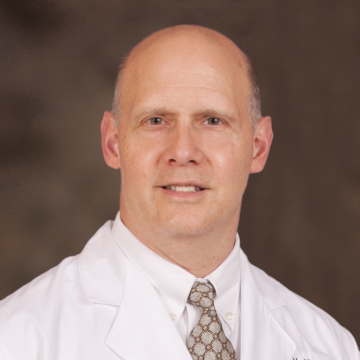
Glenn E. MacNichol, MD

Robert C. Martin, DO
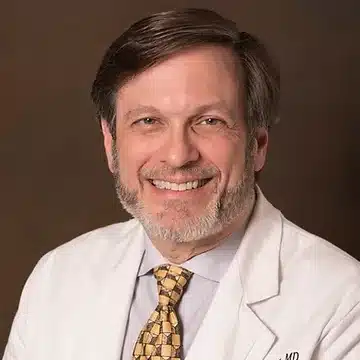
Mark N. Perlmutter, MS, MD
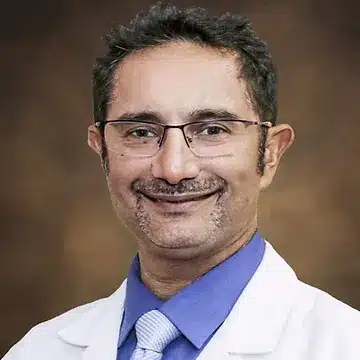
Hardayal Singh, MD
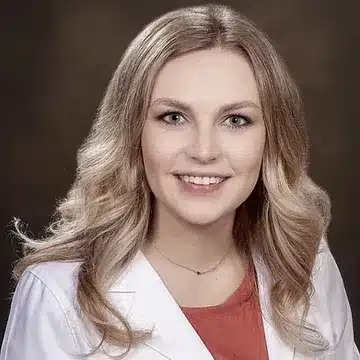
Morgan Greene, PA-C
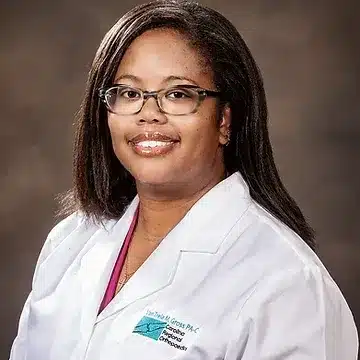
VanTreia M. Gross, PA-C
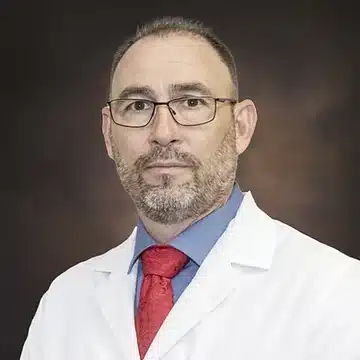
Paul Kelley, PA-C
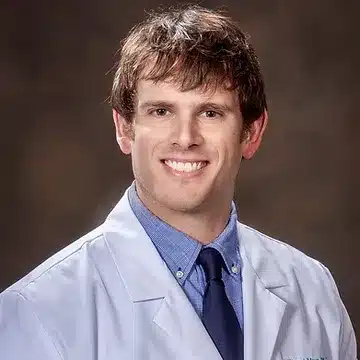
William J. Mayo, PA-C
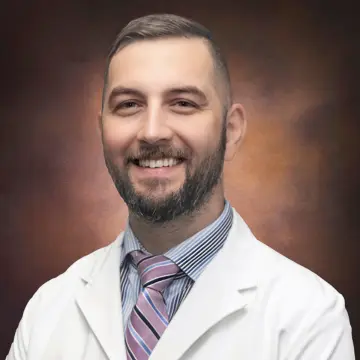
Vincent P. Keeney, PA-C
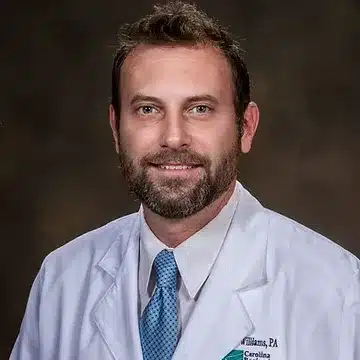
Joseph W. Williams, PA-C
Our Locations
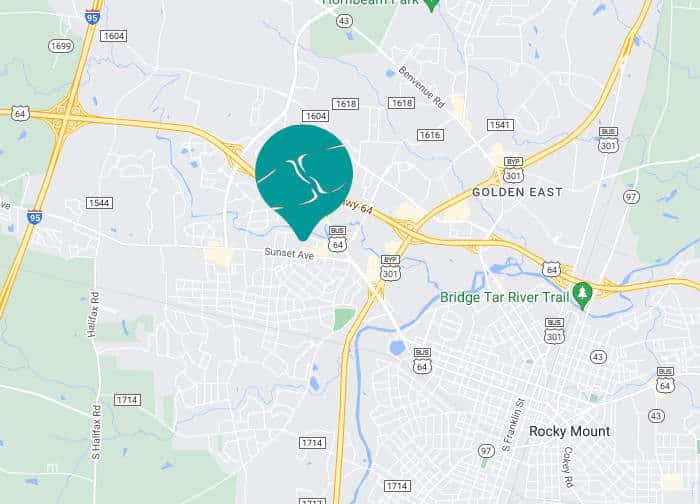
Rocky Mount
Carolina Regional Orthopaedics, PA
Mon-Thurs
110 Patrick Ct, Rocky Mount, NC 27804
Hours:
Monday- Thursday: 8 AM - 6 PM
Closed
Friday - Sunday
Phone: 252-443-0400
Fax: 252-443-0572
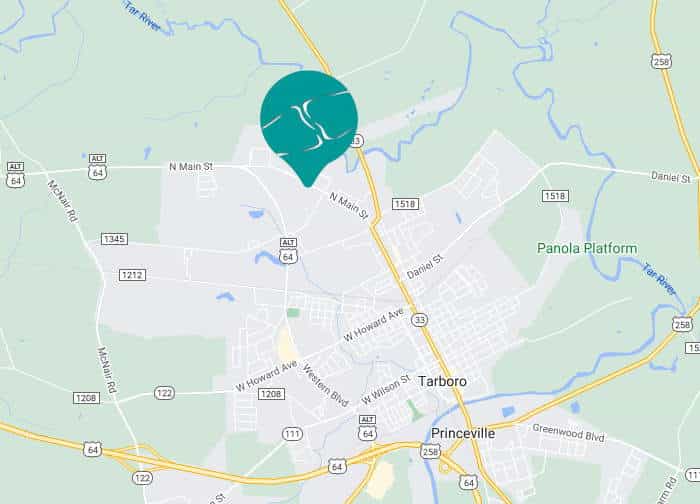
Tarboro
Carolina Regional Orthopaedics, PA
Tuesdays Only
Address:
101 Clinic Dr. Ste. 7A, Tarboro, NC 27886
Hours:
Tuesday: 8 AM - 5 PM
Closed:
Sunday - Monday, Wednesday - Saturday
Phone: 252-443-0400
Fax: 252-443-0572