Hand, Wrist & Elbow Care


Specialty Services

Request Appointment
HAND, WRIST & ELBOW INJURY CARE
Hand pain and injury can greatly impact your life. At Carolina Regional Orthopaedics & Pain Management, we take wrist, hand and elbow pain seriously. The human hand and wrist are complex and many types of injuries can occur. We use a range of surgical and non-surgical methods to help restore functionality to your hands, wrist and elbow.
Some of the most common problems that we manage are listed below:
MEET THE DOCTOR
Dr. Perlmutter is a board-certified and hand surgery fellowship-trained specialist. Although he embraces only the most modern surgical techniques, such as minimally invasive hand surgery, he has a strong emphasis on the conservative management of all medical conditions.
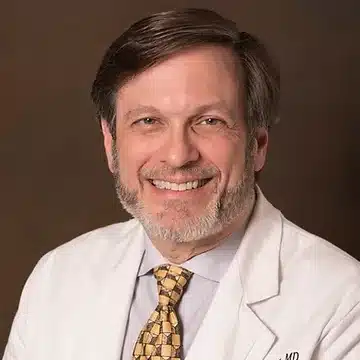 By combining state-of-the-art medical procedures with the old-fashioned principles of availability, compassion, and honesty in patient care, Dr. Perlmutter has earned a strong reputation for excellence.
- Hand Surgery
- Wrist Surgery
- Elbow Surgery
COMMON QUESTIONS TO ORTHOPEDIC TREATMENT OF THE HAND, WRIST, AND ELBOW
WHAT IS A HAND, WRIST, AND ELBOW DOCTOR CALLED?
Orthopedic doctors specialize in treating pain and injuries related to the hand, wrist or elbow. Our CRO doctors can treat multiple issues at once. When people have hand pain they often also have wrist pain. Or a person with hand pain might find their fingers are also affected. Elbow injuries can occur due to sports or occupational overuse.
WHAT IS TENDONITIS?
Tendinitis occurs when a tendon becomes inflamed. This can happen in areas such as the elbows, hands, shoulder and fingers due to overuse or injury. Symptoms include pain, swelling and redness. You may also find it difficult to bend the affected area and it may feel numb. If at-home remedies and rest do not provide relief, more advanced treatments may be available. In severe cases, surgery may be necessary.
WHAT IS BURSITIS?
Bursitis results from the inflammation of the bursae that are found between bones and surrounding soft tissue. Common symptoms include swelling and pain around the joints of the hands, fingers, wrists or elbows. These symptoms may worsen when pressure is exerted on the affected joint. It can be difficult to tell if you have bursitis or tendinitis. Your CRO doctor will make a proper diagnosis based on your medical history and physical examination. Consult with a CRO specialist if you experience persistent pain or limited motion of the affected joint.
WHEN SHOULD I SEE A DOCTOR FOR PAIN TREATMENT?
The first step to getting relief for hand, wrist or elbow pain is to assess the pain. Pain can be caused by a fall or other trauma and may result in swelling, pain and loss of sensation. It’s important to seek medical treatment as early as possible to avoid permanent damage.
Pain may also be due to overuse. If wrist pain persists even after rest, it’s important to see a physician. Chronic pain that persists despite intermittent resolution should also be addressed.
If you’re experiencing pain in your hands, wrists or elbows, give our team a call today.
ARTHRITIS CARE
Acute Arthritis is joint pain that can occur at any age. Symptoms may include swelling, pain, and stiffness of the joints. They can be anywhere from mild to severe. Once your arthritis is clearly diagnosed, a physician who is specifically trained in that area will treat you. This condition can make simple everyday activities difficult to accomplish. The fundamental goal of arthritis care is to help with pain management and improve joint function.
BIRTH DEFECT CORRECTION
Birth defects are also known as congenital abnormalities or congenital disorders or congenital malformations. Birth defects can be minor or severe and they may affect the appearance and physical development. Deformities such as clubbed fingers and limb deformity can be very disabling for the child if untreated. Fortunately, most of them are treatable.
The treatment options vary depending on the condition and level of severity. At Carolina Regional Orthopaedics, PA, we have specialists who can help your child. Getting to know the disease can be very helpful in treating it and our specialists find out the problem quickly and discuss it with the parents so that they have a clear idea of what is going on.
CARPAL TUNNEL SYNDROME
Carpal tunnel syndrome (CTS) occurs when the median nerve, which runs from the forearm into the palm of the hand, becomes pressed or squeezed at the wrist. A narrow passageway of ligament and bones at the base of the hand houses the median nerve and tendons that bend the fingers. The median nerve provides feeling to certain fingers and controls some small muscles at the base of the thumb.
Sometimes swelling narrows the tunnel and compresses the median nerve. The result may be numbness, weakness or pain in certain areas. CTS is a common type of entrapment neuropathy.
At work, workers can do conditioning exercises, take frequent breaks and use correct posture and wrist position. Fingerless gloves can help keep hands warm and flexible. Workstations can be redesigned to enable a natural wrist position during work. Jobs can be rotated among workers. Employers can develop programs in ergonomics to adapt workplace conditions to workers’ capabilities.
FRACTURE TREATMENT
A fracture is when a bone becomes either partially or completely broken. The bone can break because of various reasons. Treatment depends on the severity of the break.
At Carolina Regional Orthopaedics, our physicians will discuss with you how the injury occurred and your medical history. Our physicians will then perform an examination to assess the extent of your injury, including an x-ray. Once the physician has reviewed all factors, he will choose the treatment best suited for your needs. These treatments may include cast immobilization, functional cast or brace, traction or surgery. Cast immobilization is a plaster or fiberglass cast to keep the broken ends in position while they heal. A functional cast or brace allows for limited controlled movement. Traction aligns bones by a gentle pulling action to help stabilize and realign a fracture. If surgery is recommended by the physician, details will be discussed in-depth with each patient before it is performed.
OSTEOPOROSIS CARE
Osteoporosis is a condition in which the quality and density of bone are reduced. As bones become more porous and fragile, the risk of fracture is greatly increased. Osteoporosis is a natural process that happens when we grow older.
People may not know they have osteoporosis until they experience a painful fracture because the signs or symptoms are very subtle. Simple lifestyle changes and activity modifications can be effective in osteoporosis care. Our physicians provide proficient care to ensure our patients achieve a healthy lifestyle
PEDIATRIC ORTHOPEDICS
Pediatric Orthopedic Services are important because a child’s musculoskeletal problems are different from those of an adult. Because children are still growing, their body’s response to injuries and deformities may be different than what would be seen in a full-grown person.
Sometimes, what is thought to be a problem in a child is just a variation of growth that will resolve with time. Some problems children have with their bones and joints due to growth do not even occur in adults. In addition, the evaluation and treatment of a child are usually quite different than for an adult.
Children with complex pediatric problems are best managed by a medical-surgical team approach. Pediatric orthopedic surgeons diagnose, treat and manage children’s musculoskeletal problems.
SPRAINS & STRAINS
A sprain and a strain are common injuries that can be confused as the same thing. However, a sprain occurs in a ligament, whereas a strain occurs in a muscle or tendon. A sprain is when the tissue that connects two bones together is stretched or torn. A strain occurs when the tissue that connects muscle to bone is stretched or torn. Symptoms for both can include limited movement of the affected joint, pain and swelling.
If the injury becomes more serious you may not be able to walk more than four steps without considerable pain or move the affected joint. In these cases, it is best to seek professional orthopedic opinion. For mild sprains or strains, successful at-home treatment can include rest, ice, compression and elevation.These are all procedures for mild sports sprains or strains in our sports medicine program.
TENDON & LIGAMENT INJURIES
Tendons and ligaments are both connective tissue; however, tendons connect muscle to bone, while ligaments connect bone to bone. They can be injured when the soft tissue that connects muscles and joints tears or ruptures. This may happen due to sudden impact on the joint or abrupt movement. A tendon or ligament injury can happen to any joint in the body but is most common in the knees. Symptoms include pain, swelling, a popping or clicking sensation, or an inability to straighten the knee. If you injure a tendon or ligament you should seek immediate medical attention. The physician will diagnose the injury and provide treatment which may include wearing a brace, physical therapy, rest, ice, compression and elevation.We also treat tendon & ligament injuries in our sports medicine program.
Trauma care is offered to patients as an opportunity to engage more fully in their health care and develop a trusting relationship with providers. Trauma care can also recognize the presence of trauma symptoms and acknowledge the role trauma may play in an individual’s life. Traumas such as gunshot wounds, stab wounds, major burns, car crash injuries, workplace injuries, sports injuries, fractures or crush injuries need immediate medical attention and can lead to severe complications if left untreated. Generally, trauma will be treated in the emergency room but getting necessary medical attention afterward is important to identify and treat any ancillary problems or internal damages. Early diagnosis and treatment can significantly reduce the risk of having issues down the road that may affect daily activities or employment.
UPPER EXTREMITY JOINT REPLACEMENT
Joint replacement of the hand and wrist is similar to knee or hip replacement. The damaged joints are replaced with a prosthetic joint. It is less common for joints to be replaced in the hands or wrist because the bone structure is small and complex, making surgery more challenging. Joint replacement is a major surgery so some things to consider before deciding on it are recovery time, age, pain and disability. Surgery may be a good idea if you cannot complete regular daily tasks without assistance, have significant pain every day that does not go away when you rest or keeps you awake at night and non-surgical approaches do not provide pain management.
WORK-RELATED INJURIES
Each state has its own requirements for Workers’ Compensation that is regulated by the state’s Industrial Commission. In North Carolina, there is a simple five-step process. The first step begins with seeking appropriate medical treatment. If your employer has an on-site health care provider and their instructions are compatible, then the on-site provider is the appropriate medical treatment to seek. If your employer does not have an on-site provider, you may be instructed to visit a designated health care office. It must be established that the injury was related to your work and your employer’s name must be provided so that your healthcare provider can bill the treatment as a workers’ compensation claim. The main goal of Workers’ Compensation in North Carolina is to ensure you have the medical care needed to restore your health and ability to work as before the accident.
If you are experiencing hand, wrist, or elbow problems or pain, please contact us at 252-443-0400.
Request an Appointment Online
Carolina Regional Orthopaedics, PA allows you to easily schedule an appointment online 24 hours a day, so you can continue your day with little disruption.
Our Providers
At Carolina Regional Orthopaedics, PA, all of our providers are Board Certified Orthopaedic Surgeons or

Bernard P. Kemker, MD
Glenn E. MacNichol, MD

Robert C. Martin, DO
Mark N. Perlmutter, MS, MD
Hardayal Singh, MD
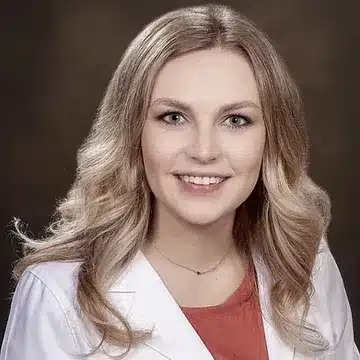
Morgan Greene, PA-C
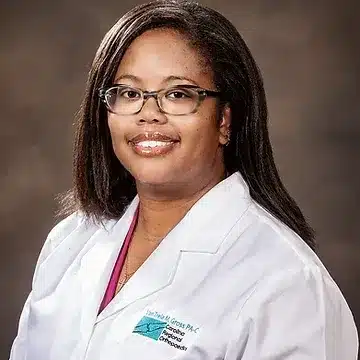
VanTreia M. Gross, PA-C
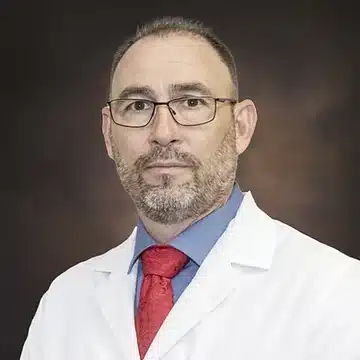
Paul Kelley, PA-C
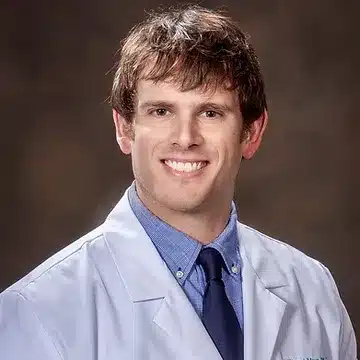
William J. Mayo, PA-C
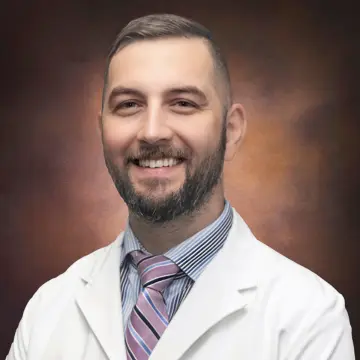
Vincent P. Keeney, PA-C
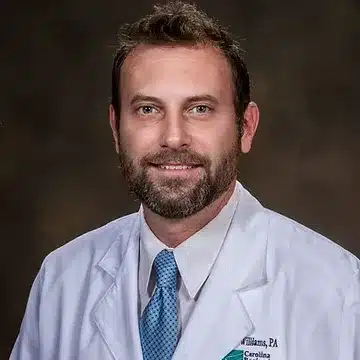
Joseph W. Williams, PA-C
Our Locations
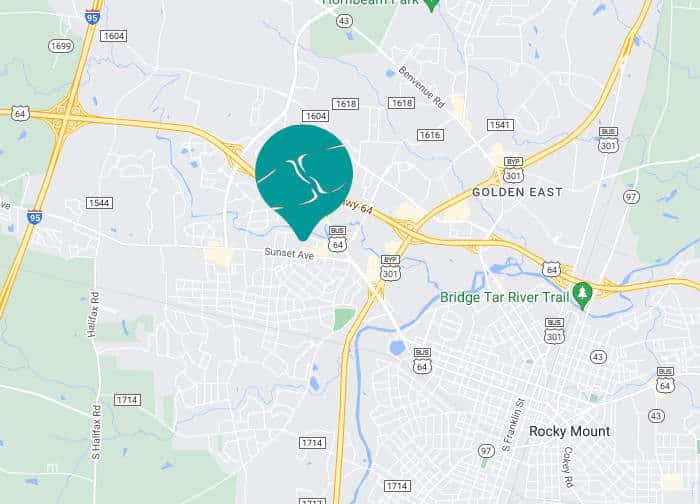
Rocky Mount
Carolina Regional Orthopaedics, PA
Mon-Thurs
110 Patrick Ct, Rocky Mount, NC 27804
Hours:
Monday- Thursday: 8 AM - 6 PM
Closed
Friday - Sunday
Phone: 252-443-0400
Fax: 252-443-0572
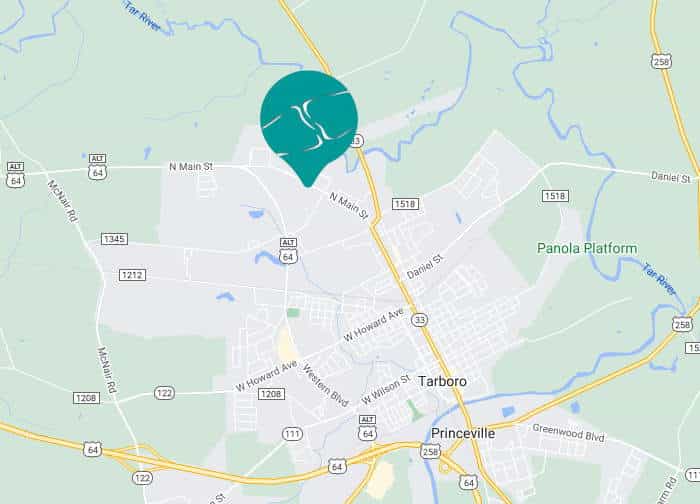
Tarboro
Carolina Regional Orthopaedics, PA
Tuesdays Only
Address:
101 Clinic Dr. Ste. 7A, Tarboro, NC 27886
Hours:
Tuesday: 8 AM - 5 PM
Closed:
Sunday - Monday, Wednesday - Saturday
Phone: 252-443-0400
Fax: 252-443-0572